Uncover the Realm of Fair Trade Tea: Excellent Brews That Foster Sustainable Practices
Fair Trade tea illustrates a balanced marriage of merit and ethics. Each cup yields a unique flavor profile while nurturing ethical agricultural methods. This avenue not only advances the tea moment but also raises marginalized farmers. Recognizing its heritage and accreditation systems unearths deeper layers of weight. As individuals become more thoughtful about their options, the impact of Fair Trade tea goes further than flavor profile. What underlies the surface of these determinations?
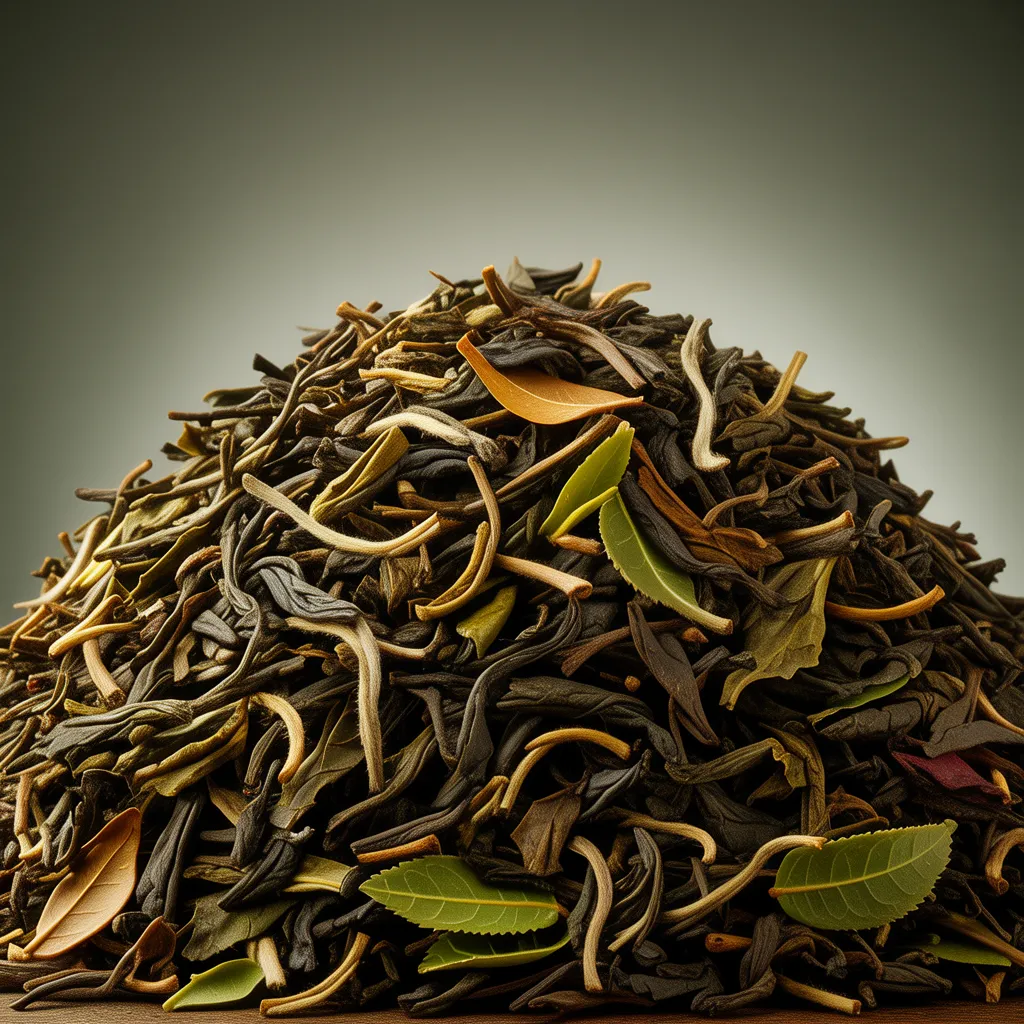
Uncover the Origins of Fair Trade Tea
Fair Trade tea has its origins to the social and economic initiatives designed to improve the living conditions of disadvantaged farmers. Beginning in the late 20th century, this program sought to tackle inequities in international commerce, especially in developing countries where tea is often grown. The initiative gained traction as shoppers became progressively conscious of the harsh realities experienced by small-scale farmers, including unfair pricing and abuse by large corporations.
Using cooperative structures, Fair Trade aimed to empower these farmers, guaranteeing they received fair payment and assistance for sustainable farming practices. The movement also focused on promoting ecological stewardship, promoting organic farming and biodiversity. As knowledge grew, Fair Trade tea functioned as a representation of ethical consumption, connecting consumers directly with the origins of their beverages. By choosing Fair Trade tea, individuals contribute to a larger goal of social justice and economic equity, fostering a more sustainable future for tea-growing communities.
Learn about Fair Trade Certification for eco-friendly approaches
Comprehending Fair Trade certification is crucial to recognizing how sustainable practices are upheld within the tea industry. This certification guarantees that producers receive fair wages and work under safe conditions, which directly contributes to community development. Fair Trade standards promote environmentally sustainable farming methods, reducing the use of harmful chemicals and encouraging biodiversity.
Certification also promotes clarity in the supply chain, enabling consumers to track their tea back to its source. By following these standards, farms engage in methods that safeguard natural resources and support local environments. Additionally, Fair Trade organizations often provide learning materials and training to farmers, empowering them to enhance their production methods and financial security.
In the end, Fair Trade certification enhances the caliber of tea while also matching buyer preferences with responsible and green values, rendering it a vital component of the tea sector's pledge to social accountability and environmental protection.
Investigate Best Varieties of Fair Trade Tea
While many tea enthusiasts enjoy the complex tastes and scents of different teas, exploring the top types of Fair Trade tea reveals a deeper dedication to responsible practices and environmental care. Some well-liked options feature Fair Trade Assam, known for its bold, malty taste, and Fair Trade Darjeeling, often referred to as the "Champagne of teas" for its delicate floral notes. Another notable variety is Fair Trade Earl Grey, blended with bergamot, offering a unique citrus twist.
Furthermore, Fair Trade Green Tea, renowned for its invigorating qualities and health benefits, is increasingly favored among health-conscious consumers. Herbal blends, such as Fair Trade Chamomile and Peppermint, also stand out, providing soothing and calming effects. Each of these varieties not only delivers exceptional flavor but also supports farmers and communities working for better livelihoods, making them a responsible choice for tea lovers seeking quality and ethical assurance.
Brewing Fair Trade Tea: Instructions for a Superior Cup
To make the ultimate cup of Fair Trade tea, focus is important, as the proper procedures can improve the tea's special flavors and aromas. First, the water quality is key; using purified water guarantees a fresh flavor that allows the tea's qualities to be highlighted. The water temperature is also essential; different tea types demand particular heat levels; boiling water is used for black tea and cooler for green or herbal varieties.
Following this, the soaking duration needs to be accurately tracked. Excessive steeping can generate bitterness, while understeeping may not capture the complete taste spectrum. A general guideline is 3-5 minutes for black tea and 2-3 minutes for green tea.
To finish, employing the proper tea-to-water ratio enhances the flavor; one teaspoon of useful information loose tea per cup is a suitable starting point. By applying these guidelines, tea connoisseurs can deeply enjoy the rich offerings of Fair Trade tea.
Ecological Impacts of Responsible Tea
Brewing Fair Trade tea not only enhances the tea encounter but also promotes sustainable agricultural practices that advantage the environment. Fair Trade accreditation motivates farmers to use organic farming methods, which minimize the reliance on harmful pesticides and fertilizers. This method fosters biodiversity, aiding in the protection of local habitats and safeguard wildlife habitats.
Moreover, Fair Trade strategies often underscore soil health and water conservation, ensuring that tea cultivation does not deplete essential resources. By helping small-scale farmers, Fair Trade also advocates for agroforestry, which blends tea cultivation with other crops and trees, further enhancing environmental resilience.
Furthermore, Fair Trade tea typically involves eco-conscious wrapping and delivery systems, reducing the carbon footprint connected to its distribution. Ultimately, selecting Fair Trade tea represents a conscious effort to advance a more sustainable agricultural system that honors both the planet and its people.

The Way Your Tea Choice Supports Communities Worldwide
Investing in Fair Trade tea bolsters worldwide populations by delivering farmers with fair remuneration and superior working conditions. This resolve warrants that tea cultivators can preserve their economic stability while supporting their families and local economies. By purchasing Fair Trade tea, end consumers advance the expansion of key community services, including education and healthcare.
Fair Trade certification encourages responsible conduct, requiring businesses to adhere to guidelines that emphasize employee protections and environmental sustainability. As a result, growers are incentivized to grow premium tea, which not just enhances their income but also fosters pride in their craft.
Moreover, the direct trade relationships established through Fair Trade abolish exploitative middlemen, allowing farmers to partner with consumers worldwide. This transparency develops trust and encourages a global appreciation for the cultural meaning of tea. Ultimately, each cup of Fair Trade tea serves as a wake-up call of the positive impact individuals can have on global communities through thoughtful buying.
Popular Questions Asked
How Can I Identify Fair Trade Tea Products in Stores?
To spot fair trade tea products in stores, one should check for official certifications, such as Fair Trade Certified or Rainforest Alliance. Additionally, examining companies focused on sustainable practices can support choosing wisely.
Can You Find Any Wellness Perks Associated With Fair Trade Tea?
Fair trade tea may deliver diverse health perks, containing antioxidants that support heart health, improved digestive health, and enhanced cognitive focus. Also, sustainable sourcing practices enable green agriculture, helping advance a cleaner environment and community wellness.
Where Can I Find Fair Trade Tea in Online Marketplaces?
Yes, fair trade tea is widely available in e-commerce sites. Numerous retailers present a variety of selections, confirming consumers can readily purchase sustainable choices that support both environmental stewardship and worker rights.
What Influence Does Fair Trade Tea Have in Local Economic Growth?
Fair trade tea positively impacts local economies by providing farmers with fair wages, fostering community development, and promoting environmentally responsible agriculture. This support improves living standards, strengthens financial security, and empowers communities to allocate resources toward education and healthcare.
How Do I Keep Fair Trade Tea for Maximum Freshness?
To enhance quality, fair trade tea should be placed in a airtight container, protected from humidity, light, and pungent smells. Maintaining it in a cool, dark place helps maintain its taste and scent over time.